
Infrastructure that responds to the real world.
iLCS connects every luminaire, electrical cabinet, meter and sensor across cities, industrial sites and buildings — and keeps each of them within reach, in real time.
What happens in the field is continuously measured and translated into action. Lighting adapts to traffic and actual demand. Electrical cabinets are monitored and controlled remotely. Consumption anomalies become alarms tonight — not unexpected costs on next quarter's invoice.
Every action is recorded. Every result is measurable.
16 months of measurement
878 luminaires · 6 months
2,957 luminaires · M4/M5
Against the same LED luminaires on an astronomical clock. Field measurements published in Sensors, 2024.
One network in the field, and everything running on it.
The usual way to digitise infrastructure is one system per service: a platform for the lights, SIM cards for the sensors, something else for the cabinets. We put them on the same devices, the same radio and the same data model.
One mesh network — every device reached in real time, decisions taken on the street.
No subscription per device
About six gateways carry a thousand luminaires. The network belongs to you.
It works with the link down
Dimming, schedules and safety fallbacks are decided at the edge, not in the cloud.
One service more is one sensor more
Power, poles and coverage are already there — and so is the platform behind them.
Street lights, electrical cabinets, plants and buildings run around the clock. Most are still managed blind.
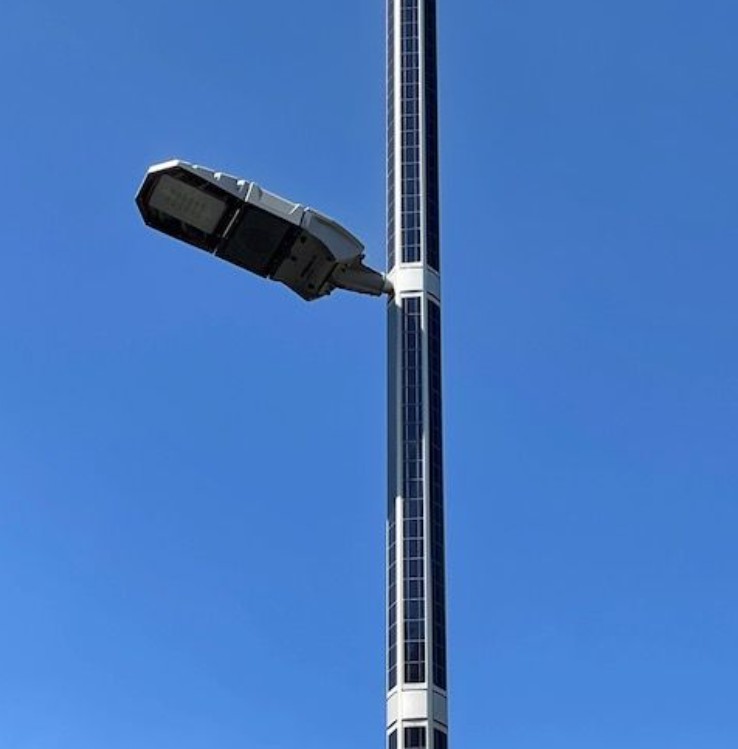
All solutions →Every luminaire visible, controlled and adapted to the road.
Full-adaptive lighting, remote control and standalone profiles — on one network.
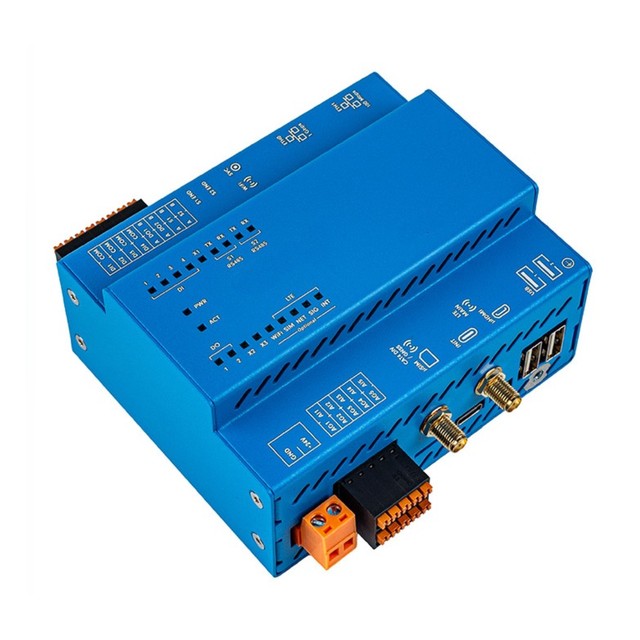
Every cabinet visible. Every kilowatt-hour explained.
Cabinets, feeder pillars and plant switchboards: metering per line, alarms, switching with local override — in a city or inside a factory.
One network, many services.
Air, water, safety, mobility, energy sub-metering and building operations — for a city, a campus or an industrial site.
Light that follows the road, not the clock.
Traffic, road luminance and weather are measured at a few points on the street. iLCS picks the lighting class the standard still allows and dims every luminaire to it — decided at the roadside, even with no internet.
Traffic, luminance, weather
Radar and optical sensors on a few poles, plus a weather station per stretch.
The class the standard allows
EN 13201 / UNI 11248 applied minute by minute, at the roadside — never below the design class when data is missing.
Every luminaire, in real time
Slow ramps on the mesh network; the whole group reacts in milliseconds.
Against the same LED luminaires on an astronomical clock. Pasolini et al., Sensors 2024 — study with the University of Bologna and CNIT; Wi4B researchers among the authors.
Patented in Italy (IT 102021000031628) · European and US patents pending
How adaptive lighting works →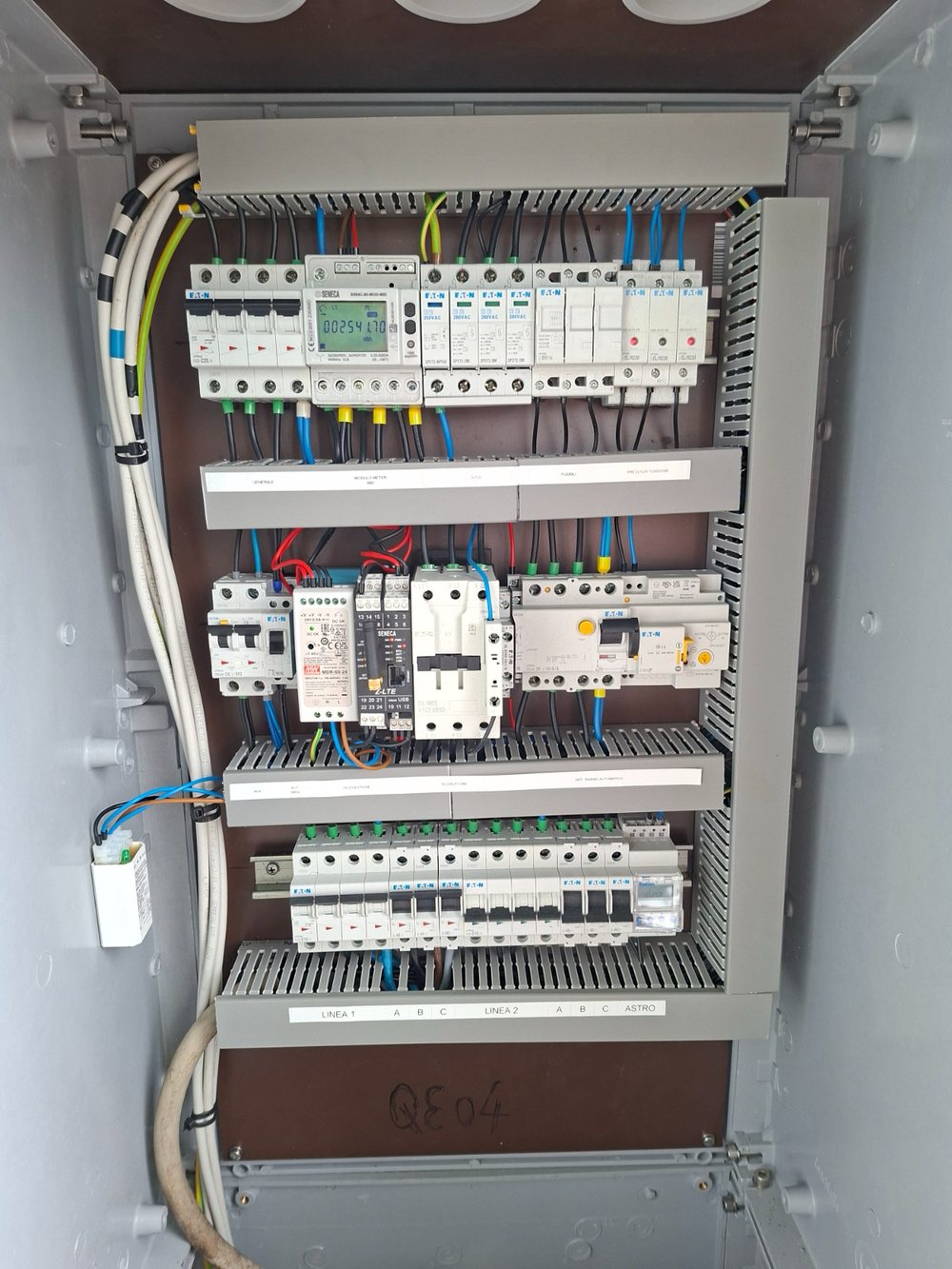
Feeder pillar with iLCS control — installed site, Italy
Your electrical cabinets, no longer blind.
One edge controller turns a feeder pillar into a measured, controllable asset: certified metering, alarms on protections and doors, line switching from anywhere — and an override for whoever is standing in front of it.
One network, many services.
The network that runs the lights is already on every street and inside every site. The same network and the same platform carry other services — with one view and normalised data.
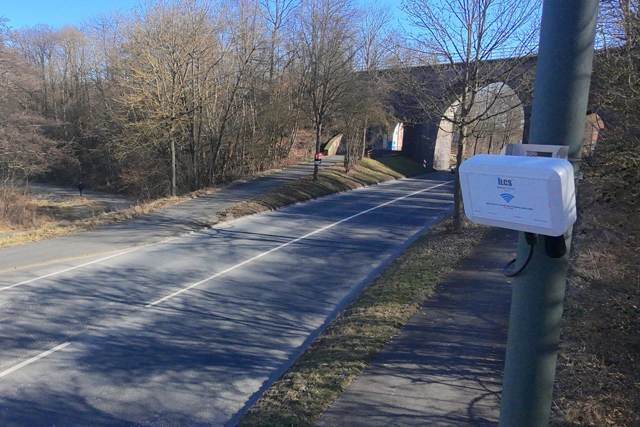
Air quality, noise and traffic node — installed site, Germany
Environment & air quality
PM, noise, weather and traffic on the pole you already own.
Water & flooding
Levels, pumps and basins, with alarms that reach the people on call.
Safety & occupancy
Presence, access and events, tied to what the lighting already knows.
Mobility & parking
Traffic counts, outdoor parking and charging points.
Building operations
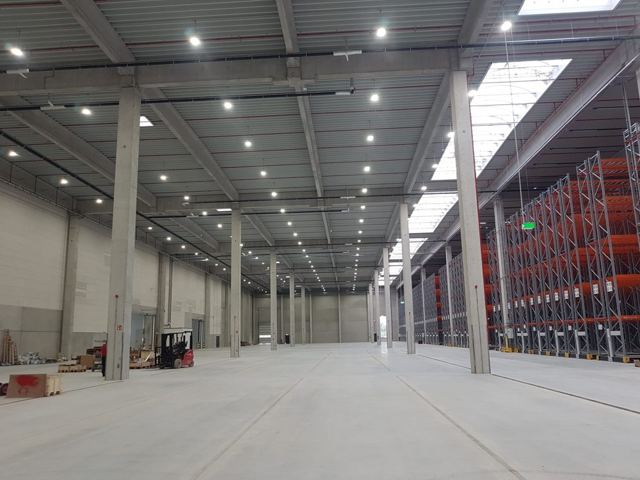
Indoor lighting, HVAC signals, meters and technical alarms.
Each service is marked as available or integrable, so you know what runs today.
See the service catalogue →Its own network, not a phone contract.
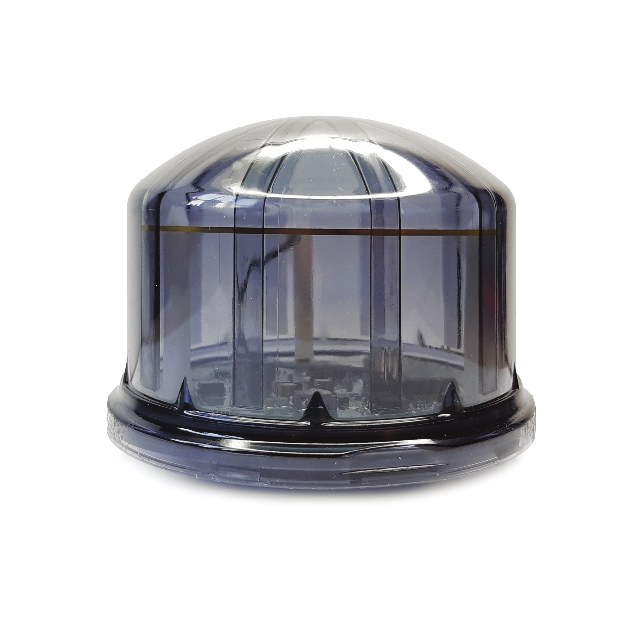
Every luminaire gets light levels and road data at least once a minute over a 2.4 GHz mesh built for the street: no SIM per lamp, no per-lamp subscription, and control that survives a lost connection.
Decides on the street
Nodes on the luminaires and controllers in the cabinets keep running offline, with signed firmware.
A mesh you own
IEEE 802.15.4 at 2.4 GHz, self-healing, no per-lamp SIM and no per-lamp fee.
Your data, exportable
Hosting in your country or on-premise, open APIs, export in standard formats.
Measured in the field. Published. Patented.
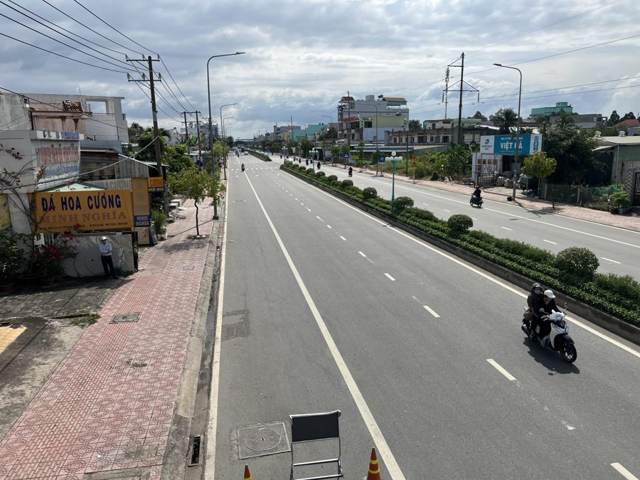 Adaptive lighting · Vietnam
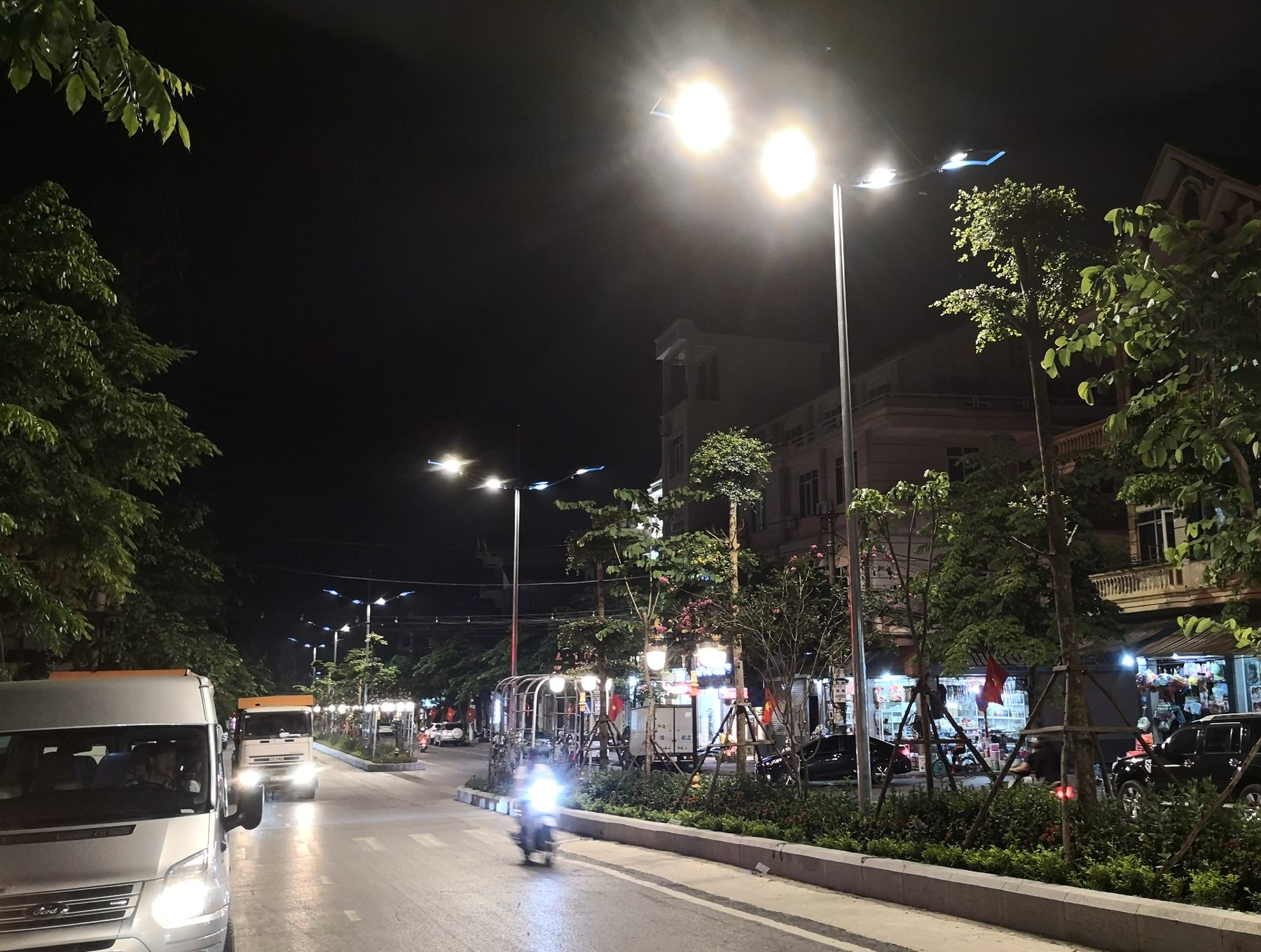
Full-adaptive lighting on main roads
878 luminaires · −48 % over six months
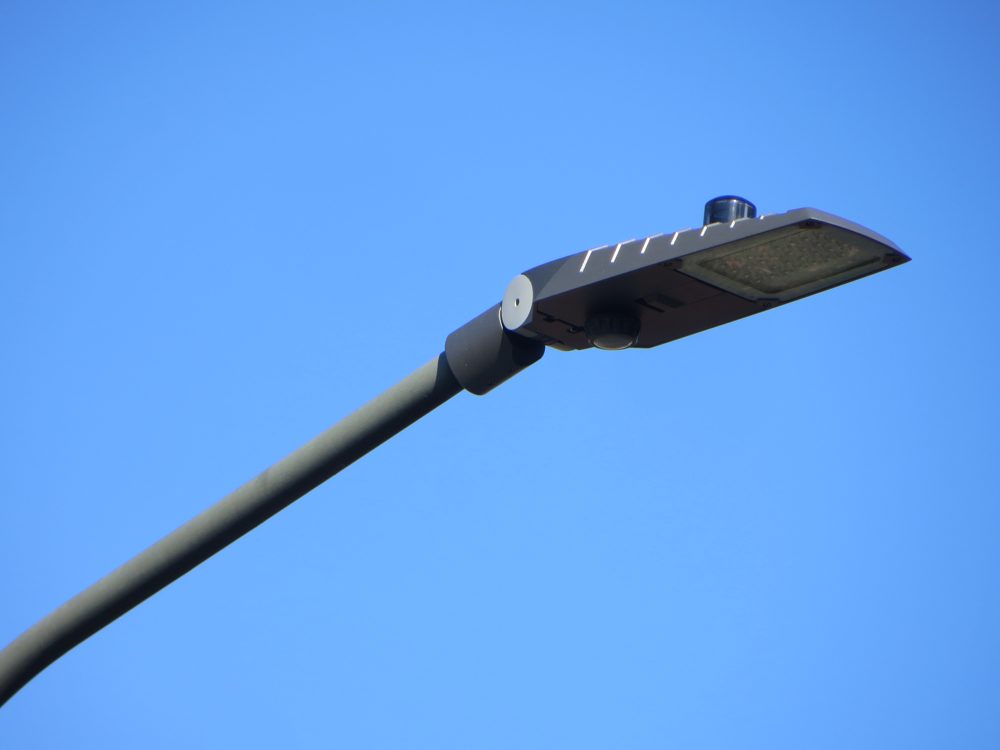 Adaptive lighting · Italy
Residential roads at classes M4/M5
2,957 luminaires · −24.6 %
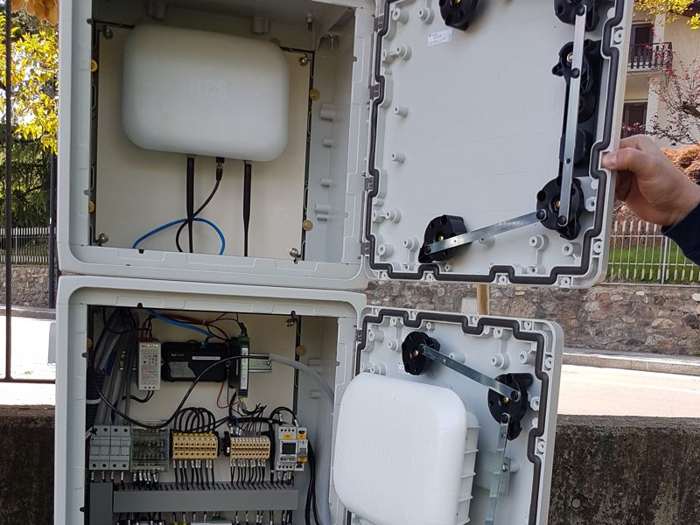 Cabinet control · Italy
Feeder pillars under control
Metering, alarms and switching per line
Published with the University of Bologna and CNIT
Field results in Sensors 2024, with the method and the baseline in the open.
Patented in Italy · EP and US pending
Read the research →Adaptive lighting you can specify.
Classes, sensors, fallback behaviour and interfaces written the way a tender needs them.
Download the specification packSavings you can verify. Assets you can see.
Per-luminaire and per-cabinet measurement, alarms, and a baseline you can audit.
Plan a pilotBuilding luminaires or delivering projects? Partner with us →
Engineered in Bologna by Wi4B.
We build the nodes, the network and the platform ourselves, and with our partners they are produced and installed in Europe, the Middle East and South-East Asia.
Tell us about your roads, sites, cabinets or buildings.
We answer with numbers: what can be measured, what can be adapted, and what it is reasonable to expect.