
Hundreds of cabinets. One control room.
On a linear asset the cost is not the device, it is the journey to reach it. Every fault that announces itself, and every visit that turns out to be unnecessary, is measured in hours of driving.
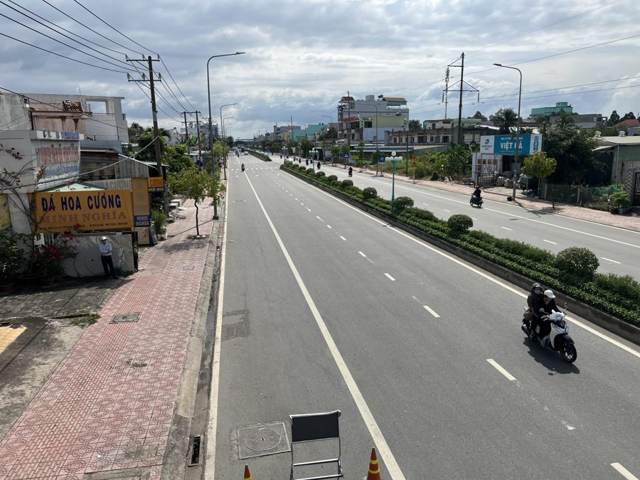
Main carriageway under control — installed site
Four costs that only appear at this scale.
A city has them too. On sixty kilometres of road with forty cabinets, each of them multiplies.
Lit for the peak, all night
Design class set by the busiest hour, applied to the emptiest. This is where adaptive operation returns the most.
Adaptive lighting →Discovered by driving
A tripped protection or a failed section found on patrol, or by a phone call from a driver.
Lighting control →Scattered and blind
Metering, protections and doors spread along the route, each one its own island.
Cabinet control →Where nothing may fail
Sections with their own regime, their own switchgear and no tolerance for a control system that needs the cloud.
A chain of clusters, not one long cable.
The mesh follows the road: each stretch is a cluster with its own gateway, and the decisions stay local. Sixty kilometres is sixty kilometres of independent sections, not one system with one point of failure.
On thousands of points along a route, per-device connectivity is the line that quietly consumes the saving.
A cut fibre or a dead LTE cell costs you visibility on that stretch, not light.
Overlapping clusters on the sections — tunnels, junctions, bridges — where a dark stretch would be unacceptable.
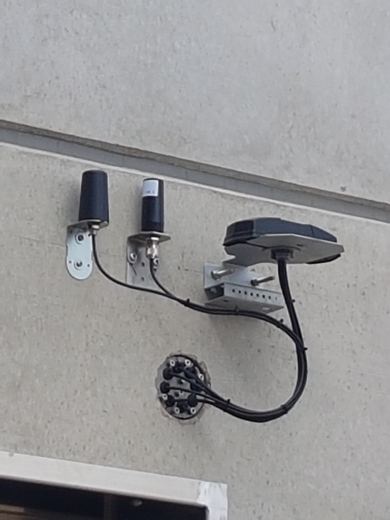
Cluster gateway along a route — installed site
The morning list, for the whole route.
Failed points, tripped protections, open doors and sections out of service, each with a position on the map and a history — which is what turns maintenance from patrolling into planning.
Planned journeys
Faults grouped by section, so a van leaves with a route and the right spare parts.
Evidence for the concession
Energy per point and per hour, and every applied class stored with the measurement behind it.
One platform for both
Lighting and electrical infrastructure of the route in the same map and the same export.
Motorway and tunnel work is part of our installed base in Europe and South-East Asia. We publish no figures for it here: the measured energy results on this site come from urban main roads, with a declared baseline.
Ask for a reference →Send the route and the cabinet list.
Kilometres, classes, number of points and cabinets. We come back with the cluster plan, the gateways and what adaptive operation is worth section by section.