
Know about water before it becomes damage.
An underpass that floods, a retention basin nobody watches, a leak that runs for three months into a bill. None of these need a new network — they need a level reading and somebody's phone.
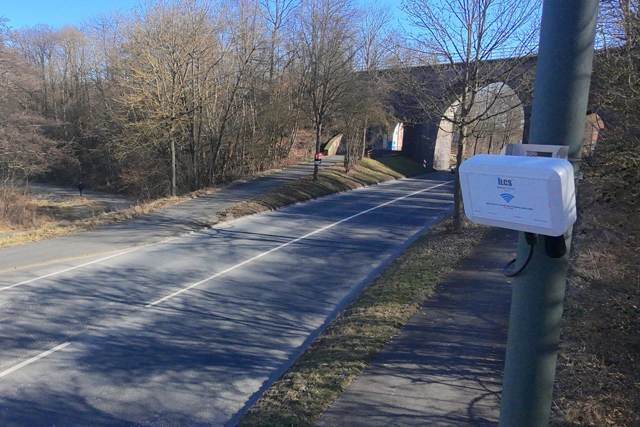
Sensor node on a road with drainage — installed site
Water is measured after it has done the damage.
The insurance report, the bill or the complaint is usually the first measurement anyone takes.
Basins nobody watches
Retention basins and channels fill quietly; the road is the first place anyone notices.
Months of running water
A leak on a public network shows up as a consumption anomaly, if anyone is reading it.
Movement without a witness
Slopes, walls and structures move slowly, and the first evidence is usually a crack.
What runs, and on what.
Available means it runs today on our own devices. Integrable means a third-party sensor we have already connected, qualified per site. We print the label rather than blurring the two.
The alarm matters more than the sensor.
Any supplier can sell a level probe. The value is in a threshold that reaches the right person at three in the morning, with a history that shows how fast it rose.
On the lighting network
Sensors near a lit road or an illuminated site join the mesh that is already there.
Rules at the edge
A rising level can drive an output locally — a pump, a barrier signal — without waiting for the cloud.
Kept as evidence
Levels, thresholds and notifications are stored: after an event, the question is always what happened when.
Flood sensors on every retention basin of an industrial park, in South-East Asia, are among our installed references. Names and figures on request — not published here.
Ask for a reference →Where does the water arrive first?
Underpasses, basins, technical rooms. Tell us the points and we will propose the sensors, the thresholds and who gets the call.