
Count what moves. Find what is free.
Traffic data usually arrives as a two-week campaign with rubber tubes across the road. On a network that is already counting vehicles to decide the lighting class, it arrives continuously, for years, at no extra cost.
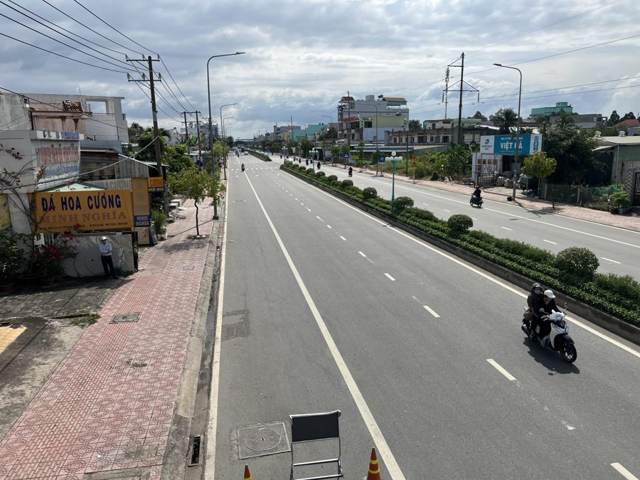
Main road with traffic counting — installed site
Mobility decisions are taken on two weeks of data.
A scheme is designed on a campaign, contested on opinions, and never measured afterwards.
Campaigns, not series
Counts commissioned for a study, then gone — with no way to show what changed afterwards.
Occupancy by guesswork
Outdoor car parks whose real use is known by whoever happens to drive past.
Equipment that wanders
Trailers, containers and mobile equipment found by asking around.
What runs, and on what.
Available means it runs today on our own devices. Integrable means a third-party sensor we have already connected, qualified per site. We print the label rather than blurring the two.
The counting is already happening.
On an adaptive stretch, the traffic count exists because the lighting needs it. Publishing it as mobility data is a configuration, not a new installation — which is the cheapest data a city will ever buy.
No tubes, no campaign
Permanent measurement on poles that already have power and network.
Radar, not cameras
Counting and classification without capturing anything identifiable.
Exportable
Series available through the API and standard exports, for traffic studies or open data.
Traffic counting runs on every adaptive installation we have, and parking occupancy on installed sites in Europe. We publish the capability, not percentages: mobility data is evidence, not a saving.
Ask for a reference →Which road, and which question?
A scheme to justify, a car park to manage, a complaint to answer. The measurement is usually cheaper than the argument.