
Every luminaire visible, controlled and adapted to the road.
Three ways to control public lighting on one network: full adaptive where the traffic justifies it, remote control everywhere else, and local profiles where there is no connection at all.
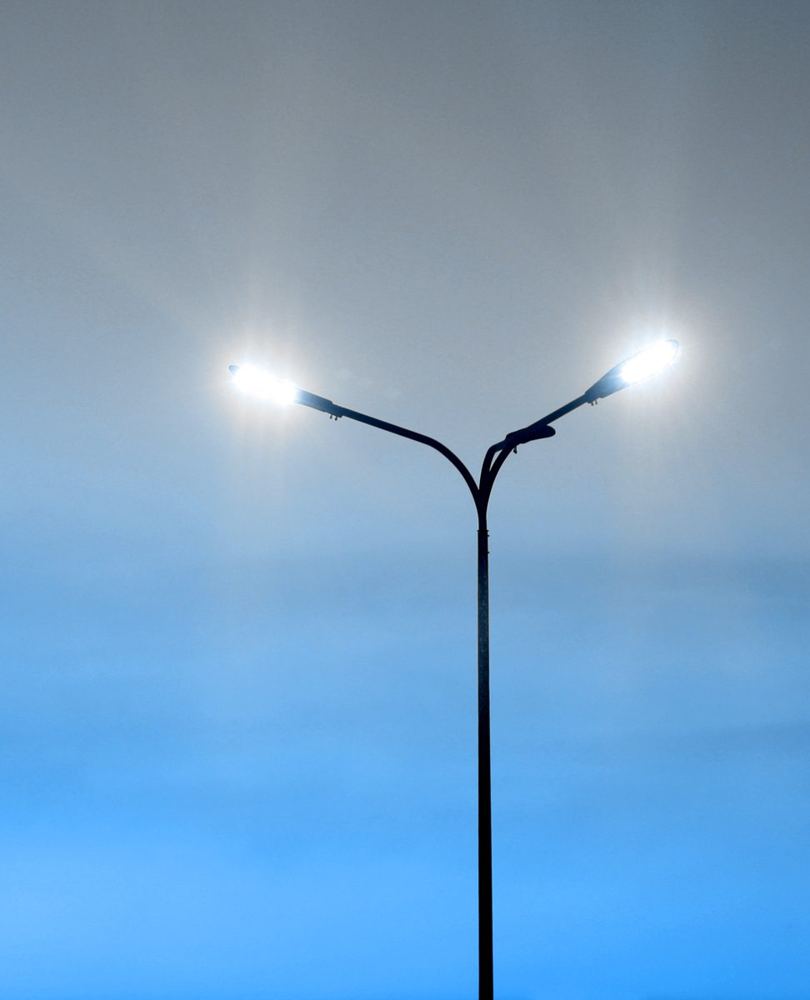
Start from what the road needs.
All three run on the same nodes and the same platform.Adaptive lighting
Traffic, luminance and weather decide the operating class, minute by minute, inside UNI 11248 / EN 13201.
−48 / −51 % on main roads
Use it when: hundreds of vehicles an hour and a class worth reducing.
How adaptive lighting works →Lighting control
Switching, dimming profiles, faults and energy per luminaire from a single view — with maintenance that starts from data, not from a phone call.
Energy per luminaire, per hour
Use it when: the whole network needs to be visible and manageable.
Lighting control →Standalone control
Astronomical clock, local profiles and presence on the node itself, with no gateway and no connection — configurable on site.
No gateway, no subscription
Use it when: remote stretches, solar poles, small sites.
Standalone control →What each one actually gives you.
You can start with control and move to adaptive later: the nodes are the same, only sensors and configuration are added.
| Standalone | Control | Adaptive | |
|---|---|---|---|
| Scheduling and astronomical clock | ● | ● | ● |
| Remote switching and dimming | — | ● | ● |
| Energy and faults per luminaire | — | ● | ● |
| Class chosen from measured traffic | — | — | ● |
| Closed loop on measured luminance | — | — | ● (FAI) |
| Needs sensors on the stretch | — | — | ● |
| Needs a gateway | — | ● | ● |
Against the same LED on an astronomical clock; field measurements published in Sensors, 2024. References available on request.
See the projects →The hardware behind it.
All products →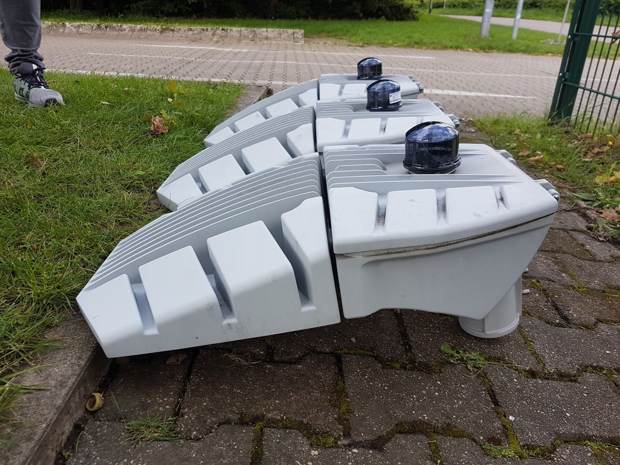
Luminaire node, D4i
DALI-2 D4i, metering, GNSS option.
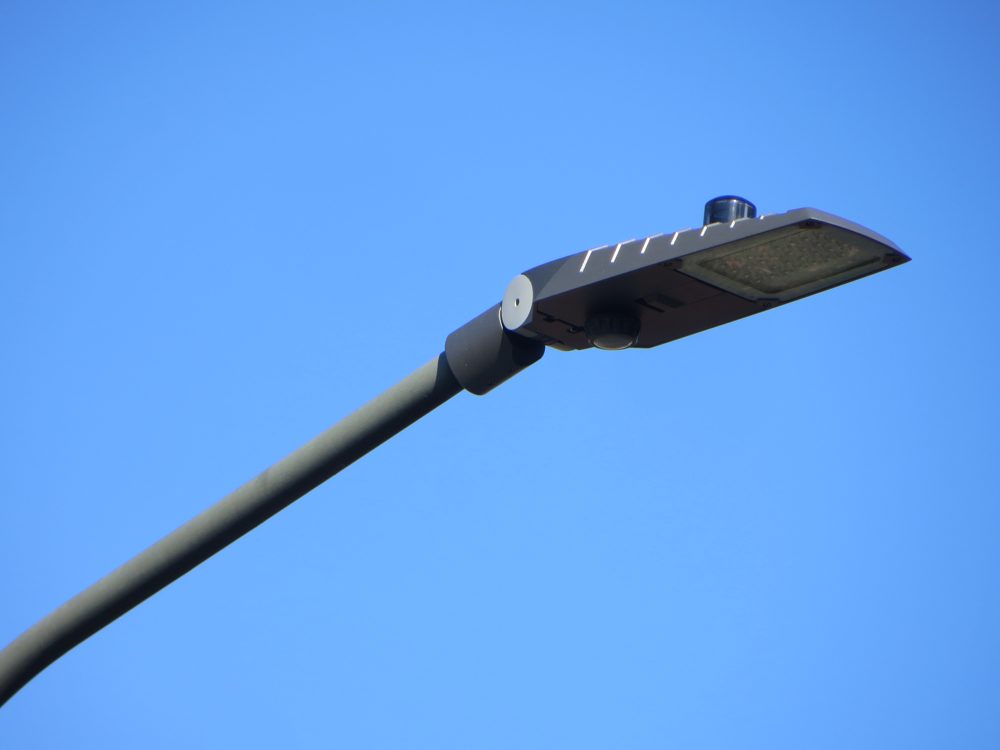
Luminaire node, socket
Plug and play on the NEMA socket, IP66.
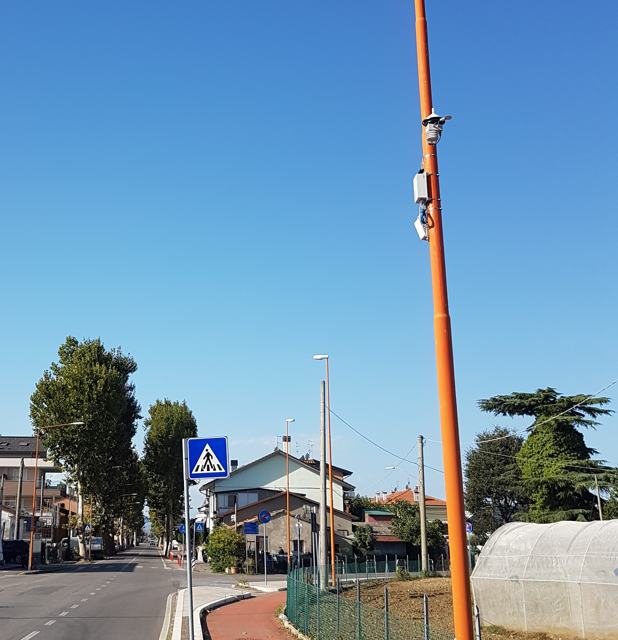
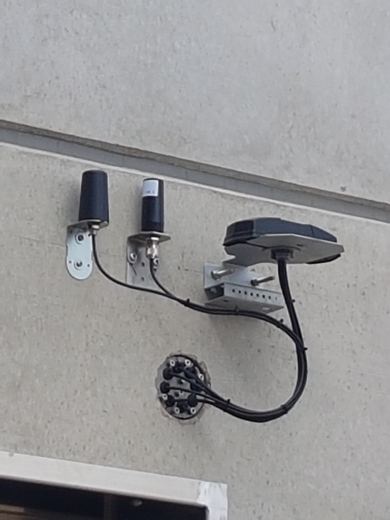
Traffic, luminance, weather
A few per stretch, not one per pole.
Mesh to cloud
One every 100–150 luminaires.